
Core Areas of Contribution
UX Research
Creative Visual Design
Systems Thinking & Business Strategy

Team
Ishita Banati, Isha Deosthali, Mahika Joshi, Saloni Sheth
Project Brief
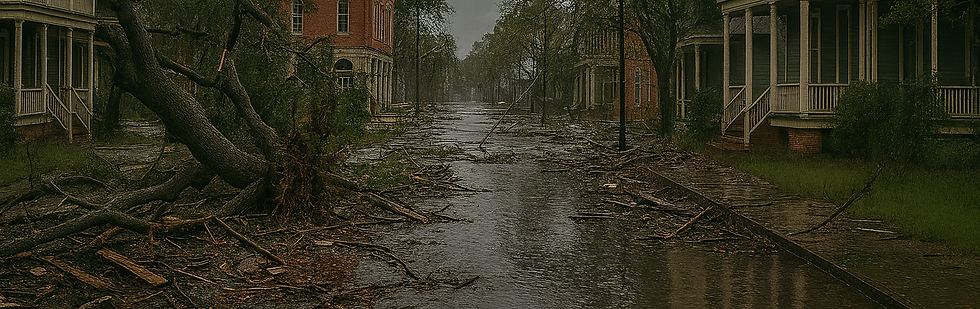
To tackle the urgent need for a hurricane preparedness system for SCAD’s off-campus graduate students in Savannah. Frequent storms disrupt living conditions, resources, and academics, exposing gaps in evacuation assistance, communication, and essential supplies. Students also need clearer guidance and mental health support.
We aim to design a proactive, student-centered system that enhances resilience, safety, and alignment with SCAD’s emergency protocols.
Innovation: Past, Present and Future
Hurricane Emergency
Management


Classrooom Project


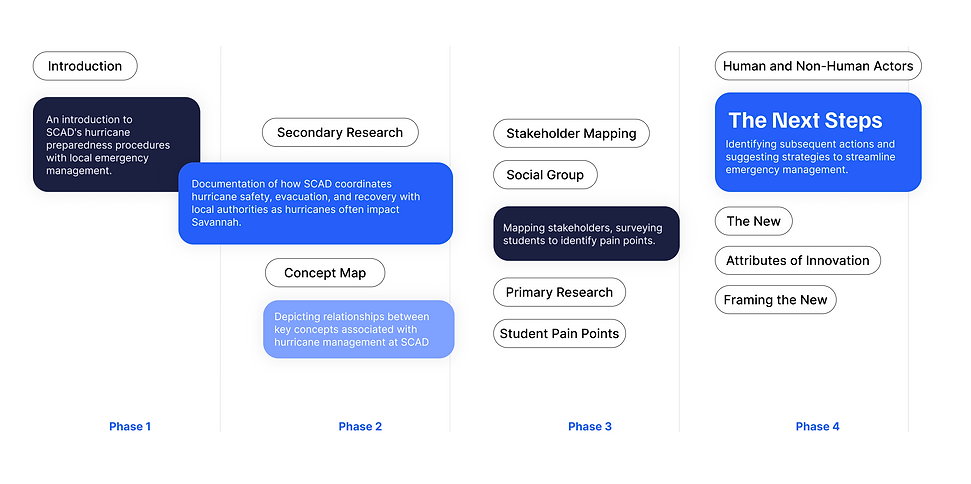
Timeline
🦺
📚
🧑🤝🧑
🪫
💡
Our Aim
To design innovative, human-centred solutions that enhance SCAD’s hurricane preparedness, focusing on improving communication, resource accessibility, and community resilience to effectively address the unique challenges faced by off-campus graduate students during emergencies.
Hurricanes in Savannah trigger evacuations, disrupt life, cause flooding, damage ecosystems, and pose health risks from contaminated water, diseases, and debris.
Hurricane Impact

Closures in retail, tourism, and hospitality sectors, combined with supply chain delays and property damage reduce local revenue and drive up repair costs and insurance claims.


Flooded roads and power outages from hurricanes hinder transportation, delay services, and disrupt utilities significantly impacting daily life, business operations, and repair costs.

Local governments and federal agencies like FEMA coordinate hurricane preparedness, evacuation, and disaster relief, providing vital resources for swift recovery and rebuilding efforts.

Frequent hurricanes drive up insurance premiums and reduce coverage options, while flood risks deter buyers and investors, leading to fluctuating real estate prices and reduced demand in high-risk areas.
Social Group Analysis
Off Campus Students of SCAD face unique challenges during hurricanes, requiring tailored emergency strategies to address their needs outside university housing. SCAD emphasizes the importance of personal evacuation plans, such as coordinating with friends or family or using personal vehicles when possible. Students are encouraged to pack essentials like medications, vital documents, clothing, and emergency supplies to ensure safety and sustainability during evacuations. Additionally, SCAD urges off-campus students to stay informed by monitoring weather updates and maintaining open communication with local authorities. Establishing a network of peers to share resources and information can further enhance preparedness. These measures are crucial to bridging the gap between centralized university resources and the specific needs of off-campus students, fostering a resilient community.


Stakeholder Mapping
This stakeholder mapping infographic visualizes the network of entities involved in the current hurricane management system at SCAD, centering on the safety of off-campus graduate students.
At the core, the "User" represents these students. Surrounding them are Primary Stakeholders, directly involved in emergency response. Moving outward, the Secondary Stakeholders provide essential support and resources. Finally, Tertiary Stakeholders encompass broader, yet influential, entities offering extended support for recovery and resilience beyond immediate needs.
Primary Research
Phase 1
We conducted a survey and gathered 30 responses from off-campus students impacted by the recent hurricane.
The objective of the study is to assess the impact of the hurricane on off-campus students, focusing on disruptions to their living conditions, access to resources, academic performance, and mental health, to identify areas where additional support may be needed.

Survey Insights

This survey captures SCAD off-campus graduate students' experiences with hurricane preparedness, focusing on awareness, SCAD notifications, resource access, and overall satisfaction with services. The results reveal both effective areas and key improvement needs, especially in resource accessibility and logistics

Phase 1

Phase 2


Phase 3
Pain Points

Phase 2
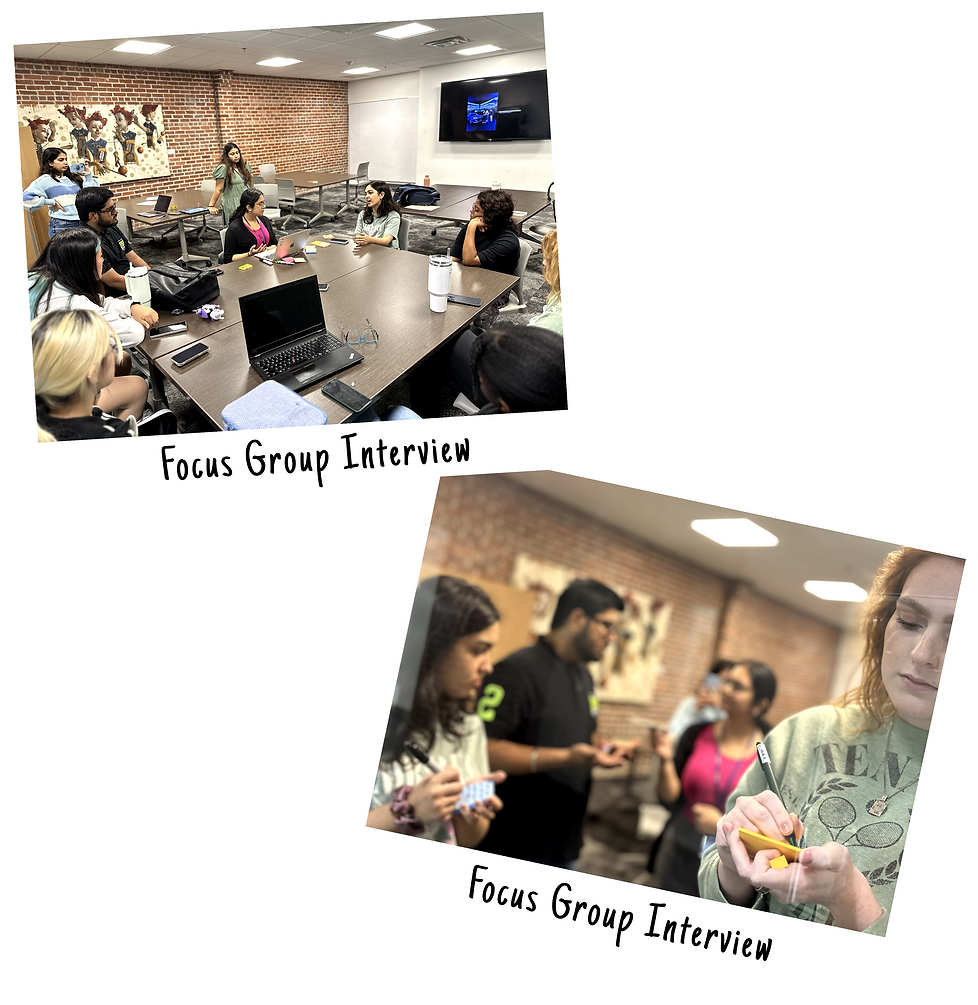
We conducted a focus group where the conversation revolved around the experiences of seven graduate students at SCAD during Hurricane Helene.
Enhanced Awareness and Preparedness
Improve pre-storm awareness through accessible information, cultural-specific guidance for international students, and comprehensive preparedness resources, including mental health support, emergency checklists, and regular drills.
Resource Access and Infrastructure
Address critical needs such as transportation, emergency shelters, food, water, Wi-Fi, and stronger infrastructure to mitigate storm impacts, alongside recovery resources like insurance claims and academic flexibility.
Community Collaboration and Feedback
Foster community support through student ambassadors, feedback mechanisms, and collaboration with local authorities, ensuring student involvement in emergency response planning.

Phase 3
Notification System and Communication
SCAD security provides frequent storm alerts through a centralized platform, though clearer guidance on safe locations and available resources is needed for improved preparedness.
Safety Measures and Shelter Accessibility
Address critical needs such as transportation, emergency shelters, food, water, Wi-Fi, and stronger infrastructure to mitigate storm impacts, alongside recovery resources like insurance claims and academic flexibility.
Transportation and Post-Hurricane Coordination
SCAD security collaborates with transportation services to adjust routes during storms and ensures infrastructure safety post-hurricane, working with other departments to restore essential services quickly.
Problem Statement
SCAD Savannah experiences frequent hurricanes that pose significant risks to student safety, especially for graduate students living off-campus. Although the university collaborates with local authorities, sends alerts via email and SMS, and provides limited assistance, there remains a critical gap in off-campus students' preparedness and access to resources during hurricane events. This project aims to develop an emergency kit and a user-friendly mobile app to enhance personal safety and preparedness, helping students stay informed, equipped, and responsive to hurricane threats.
Conceptual Center
Community
Resilience
Emergency
Preparedness
🚑
🧑🏻🤝🧑🏻
🎯

Improving the emergency preparedness through introduction of a newly designed Safety Emergency Kit tailored for incoming graduate students.
Strengthening Community Resilience by redesigning a multifaceted safety community forum for all off-campus Graduate students.
Prefacing the New
Introducing proactive hurricane preparedness and student-centered emergency management initiatives in order to enhance safety, resilience, and a sense of community among students.

Framing the New

Change Agents
These individuals are driving the preparedness initiative, educating and encouraging adoption.
Opinion Leaders
These are influential figures who can shape attitudes and behavior in the community.
Diffusion Network Mapping


1
Senior students who are actively engaged in campus activities and have a strong social presence.
SCAD faculty members or staff members involved in student welfare, particularly those connected to student life or emergency response.
Graduate student organization leaders who communicate frequently with peers.
2
3
1
2
3
SCAD Administration in departments like student affairs, emergency management, or security.
Savannah Local Authorities, city emergency response officials, police, or road safety officers who coordinate with SCAD for emergencies.
Emergency Preparedness Consultants (if SCAD partners with external experts to train and inform students).
Personal Safety with BeeGuard and BeeNetwork


Application Architecture
Final Designs
Bee Network
The SCAD Community Platform is an app designed to enhance communication and support during crises, allowing students to report issues like utility loss or safety concerns. It provides a centralized space for safety coordination, sharing resources, carpooling, and shelter options.
The app also enables students to volunteer, organize activities, and receive real-time updates on safety protocols, shelter availability, and recovery efforts, fostering a connected, resilient community.

Low Fidelity Wireframes





Hi Fidelity Wireframes



Bee Guard
Final Designs
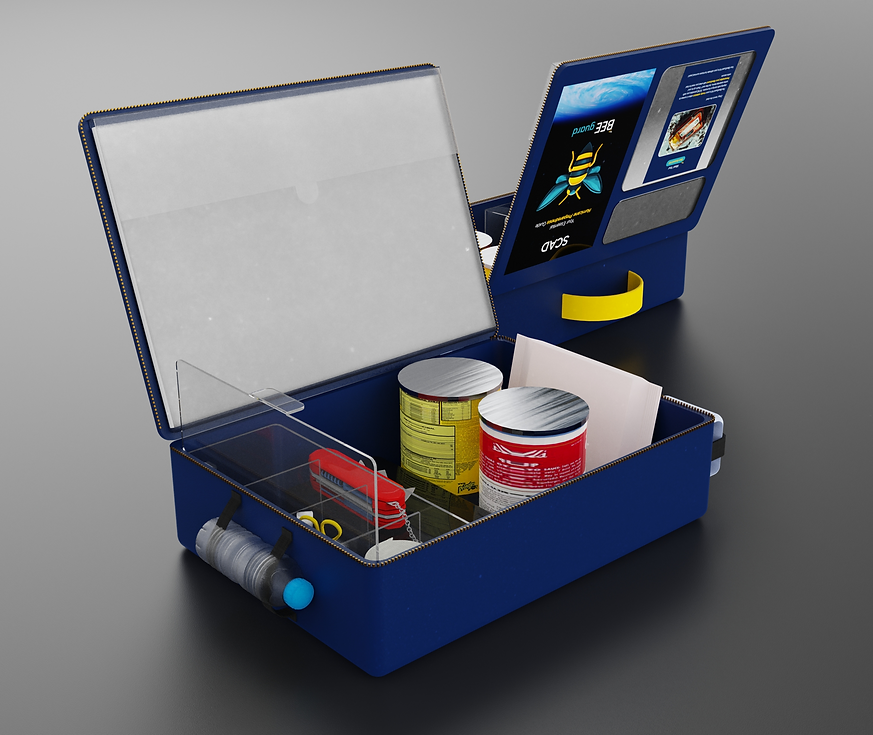
The BeeGuard DIY Hurricane Emergency Kit is crafted to equip SCAD students with essential supplies and tools to stay prepared and secure during a hurricane. While SCAD provides certain core items, this kit encourages students to customize it with additional essentials based on their individual needs. Each student is responsible for adding specific items to ensure they have everything necessary for a safe evacuation or shelter-in-place experience.
The kit includes a range of practical essentials designed to support students through prolonged power outages, evacuation scenarios, or shelter-in-place situations. It features non-perishable food and water for sustained nourishment, basic first aid supplies for minor injuries, and reliable light sources such as flashlights with extra batteries. Students are also encouraged to include portable chargers to maintain communication, personal hygiene items for comfort, and a whistle for emergency signaling. Additional elements like blankets or warm clothing, personal medications or health-related items, and waterproof copies of important documents help ensure comprehensive readiness. The kit is completed with SCAD’s Preparedness Guide, offering clear instructions and protocols to navigate hurricane emergencies with confidence.
Costing
The SCAD Community Platform's Handy Emergency Kit “BeeGuard” is designed to ensure essential resources and communication tools are available for students during campus crises or disruptions. This kit includes key items that support immediate crisis response, safety coordination, resource accessibility, and secure mobility, aligning with the platform's mission to enhance resilience and student support.
This cost sheet outlines a streamlined emergency kit for students, promoting resilience through reliable access to essential tools and resources. Each item plays a key role in enhancing campus safety and readiness, reflecting the SCAD Community Platform’s mission of empowering students to navigate emergencies effectively.

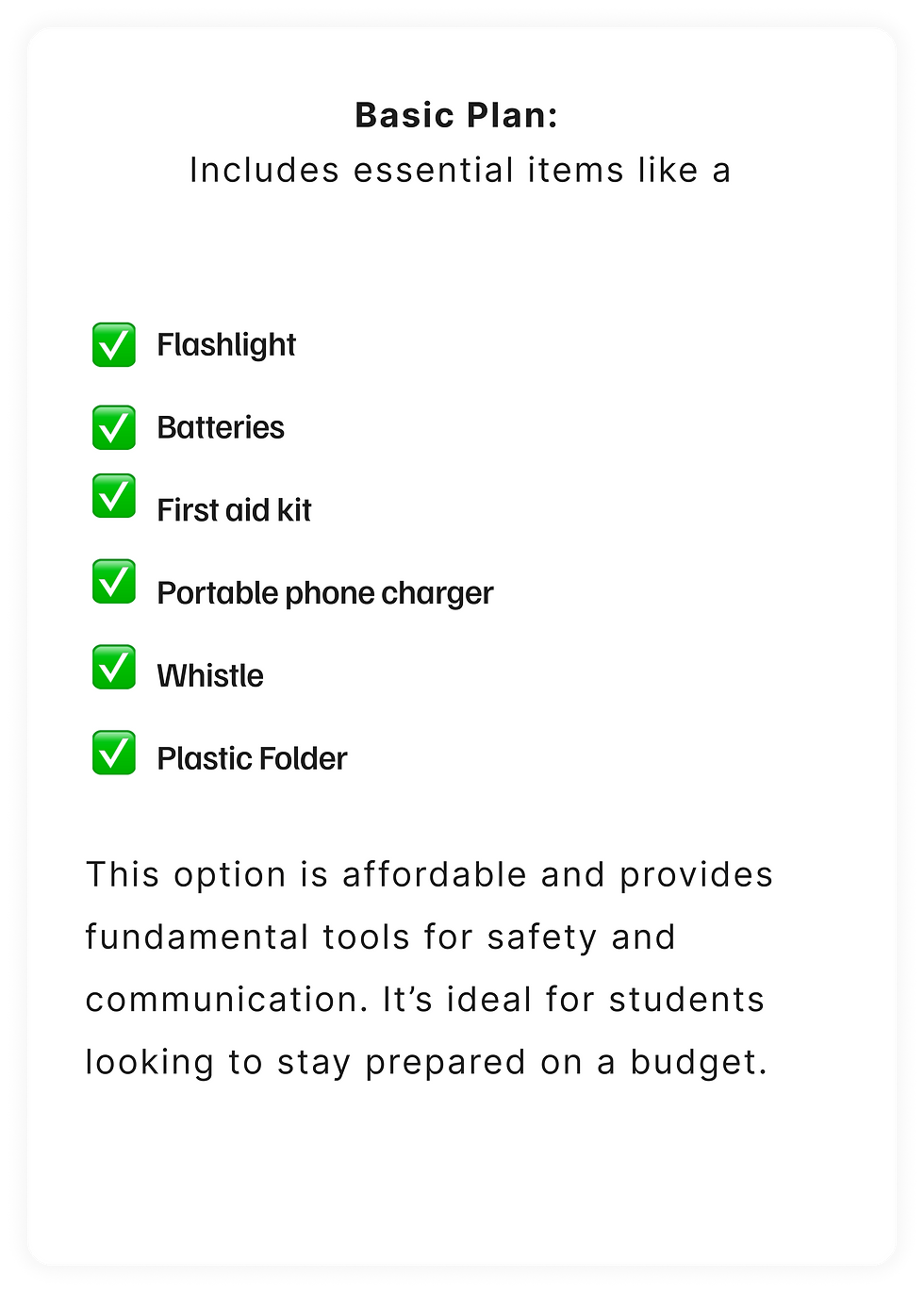
Kit Plans
Premium
Standard
Basic


Return on Investment
SCAD as an institution would likely invest a set amount to cover the initial stock of items needed to assemble the kits. A starting investment of around $10,000 - $20,000 could allow SCAD to create a reasonable quantity of kits to be offered at different price tiers for the students. This budget could also account for initial app development costs for the BeeNetwork platform.
Non - Monetary ROI
The primary return for SCAD comes through strengthened student safety and well-being, reinforcing the university’s commitment to protecting its community. By taking a proactive approach to disaster preparedness, SCAD enhances its institutional reputation among prospective students, parents, and the broader community. This initiative also builds deeper trust and loyalty, fostering a sense of belonging that can positively influence student retention, alumni relationships, and long-term support.
Intended Impact

Monetary ROI
While SCAD may choose to subsidize these kits or provide them at cost, there’s potential for a small profit margin if students are charged slightly above the investment price.
Selling the kits at the stated prices could help offset costs, covering not just the kits but the app’s development and ongoing maintenance.
Anticipated Consequences

Pitching to Stakeholders
Our group of four pitched our innovative solutions, Bee Network and Bee Guard, to stakeholders from SCAD Safety and SCAD Cares through an engaging, interactive presentation styled as a news channel report. We began by recounting how SCAD students coped with Hurricane Helene in the past, using storytelling to build empathy and highlight the urgent need for action. Through this lens, we aimed to inspire the stakeholders to support and initiate the diffusion of our hurricane preparedness plan. We detailed the proposed diffusion network, illustrating how we, as change agents and opinion leaders, could collaborate to drive the plan's execution effectively. To solidify our pitch, we showcased a mock prototype of the safety kit and app, a vlog documenting SCAD Savannah students’ challenges during a hurricane, a safety checklist, and a comprehensive manual for preparedness. We also presented a clear budget and return-on-investment analysis, demonstrating how the initiative would benefit SCAD by enhancing student safety and well-being while reinforcing the university’s commitment to proactive emergency management.

Summary
The SCAD Hurricane Emergency Management project presents a comprehensive approach to addressing hurricane-related challenges faced by off-campus students at SCAD Savannah. The project focuses on the preparedness, response, and recovery phases of hurricane management. It highlights existing protocols, identifies gaps in services (like food and water accessibility, timely communication, and adequate shelter), and proposes innovative solutions aimed at building resilience and safety within the student community. The development of an Emergency Hurricane Student Kit and a Community Support Platform reflects a proactive approach to empower students and improve their emergency response capabilities.
Key Learnings
Human-Centered Design
The project emphasized designing solutions for SCAD’s hurricane preparedness by integrating empathy and practicality, grounded in real student needs through survey data.
Collaborative Learning
We developed skills in stakeholder mapping, needs assessment, and teamwork, recognizing the value of diverse perspectives in crafting comprehensive solutions.
Practical Prototyping
Designing the Emergency Hurricane Kit taught us to prioritize simplicity and usability, ensuring our solutions were adaptable and effective in high-stress emergency situations.
+1 912 (272) 6584
ishitabanati.work@gmail.com
Savannah, Georgia
© 2026 by Ishita Banati. Created on Wix Studio.